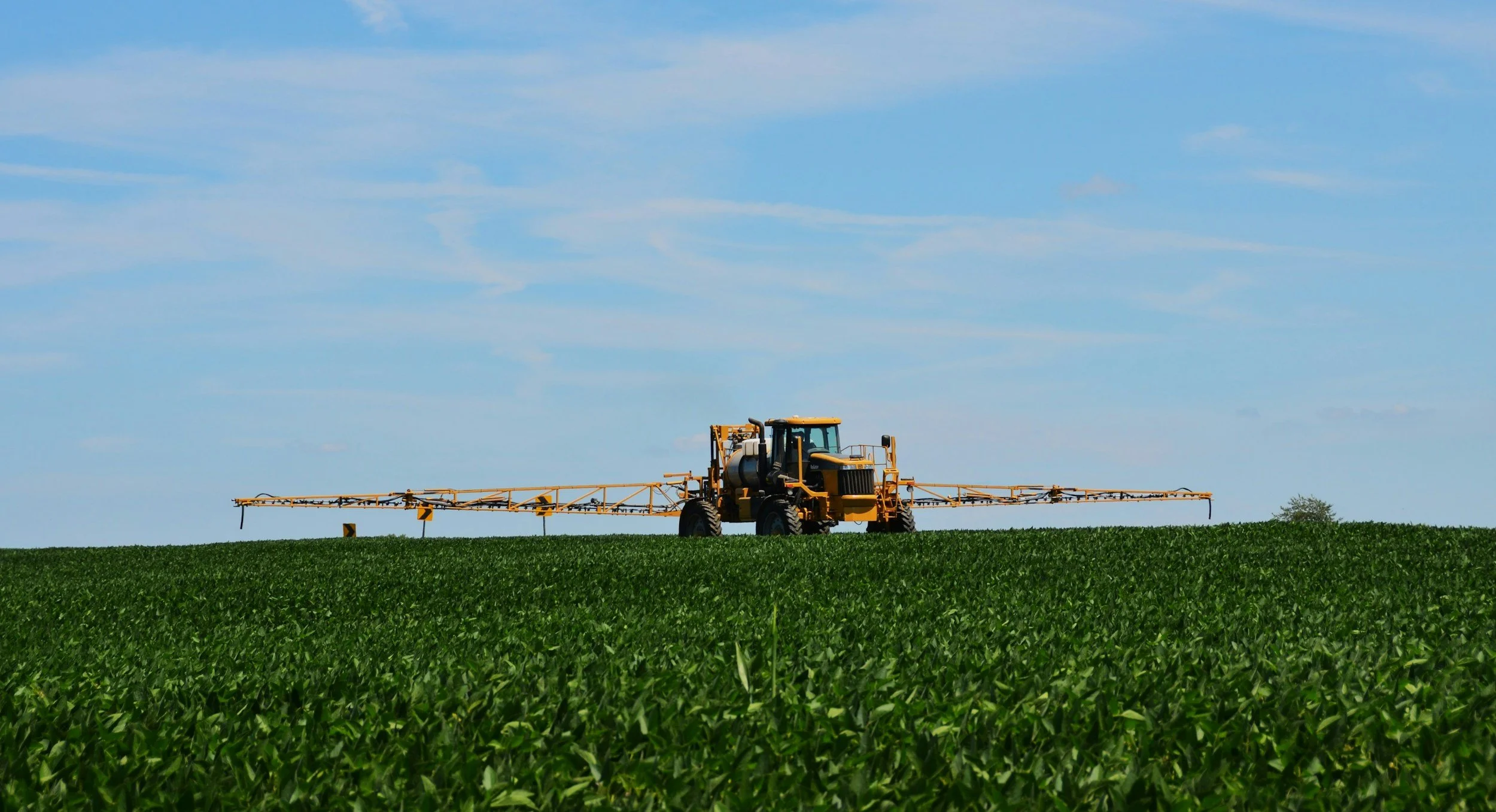
About Toxic Sludge
What was once touted as a “beneficial” and inexpensive fertilizer source for farmers is now raising serious concerns about long-term contamination of farmland, drinking water, and rural communities.
What Is Sludge?
Two types of waste materials are commonly spread on South Carolina farmland:
Municipal sewage sludge (biosolids) from wastewater treatment plants.
Industrial sludge from factories, including textile plants and poultry processing facilities.
Much of the sludge spread on South Carolina’s crops actually comes from outside the state, including literal waste generated by poultry processing facilities in North Carolina. The contents of this sludge includes everything from the pharmaceuticals found in human waste to the byproducts of poultry processing - including bird parts, and everything that might be washed out when these facilities are cleaned.
What’s the Harm?
Even decades later, PFAS chemicals have been found in the sludge spread on agricultural land. PFAS are highly persistent chemicals linked to health concerns including certain cancers, immune system impacts, elevated cholesterol, and developmental effects. Because they do not readily break down, they can remain in soil and groundwater for decades.
The contaminated soil and groundwater has been shown to:
Pollute groundwater and private wells.
Contaminate nearby surface waters and streams.
Be absorbed by crops grown on the land.
Expose livestock and people living on or near the land to harmful chemicals over time.
The South Carolina Department of Environmental Services does not require testing for PFAS and other emerging contaminants before approving land application permits.
What Needs to Change?
Farmers deserve to know what’s being spread on their fields. Communities deserve to know what’s getting into their soil, water, food, and future.
Today, sludge and biosolids marketed as fertilizer can contain PFAS and other industrial chemicals that wastewater treatment systems were never designed to remove. Yet too often, these contaminants aren’t tested for—and the people most affected aren’t given the information they need.
We’re holding state agencies accountable for allowing potentially contaminated sludge to be spread on farmland without adequate testing or transparency.
We’re fighting for better testing, stronger safeguards, and the right of farmers and communities to know exactly what’s being put on their land.